

“Executive Summary for Practitioners: This resource outlines the biochemical pathways of transdermal ozone application. Below, we review the safe modulation of oxidative stress, mitochondrial upregulation, and the specific signaling cascade triggered by head-out steam encapsulation.”
👉 Looking for home setup costs and simple pricing?
Ozone Sauna System Protocols: Oxidation, Oxygenation & Intelligent Biological Signaling
PROCESS 1 — CONTROLLED OXIDATION
A) Immediate Reaction — The Primary Action
When ozone enters the body (blood, skin, mucosa, or water), it reacts immediately with:
- lipids
- proteins
- microbial membranes
- damaged or inflamed tissue
These reactions create:
Ozonides / peroxides (stable reaction products that continue signaling after ozone disappears)
Reactive oxygen species (ROS) (short-lived molecules that act as biological messengers)
This phase is called controlled oxidation.
In therapeutic dosing, controlled oxidation can:
- disrupt bacterial membranes
- inactivate viruses
- damage fungal cells
- break down biofilms
- affect abnormal cells more than healthy ones
Healthy human cells remain protected because they contain antioxidant systems such as:
- glutathione
- superoxide dismutase (SOD)
- catalase
- pathogens have much weaker protection.
B) Adaptive Response — Antioxidant Activation
The mild oxidative signal produced by ozone does not only attack pathogens. It also triggers an adaptive response inside the cell.
This activates:
- Glutathione production
- Superoxide dismutase (SOD)
- Catalase(def)
- Nrf2 pathway (master regulator of antioxidant
defenses)
This process improves redox balance (the balance between oxidation and antioxidant protection).
- As a result, repeated ozone therapy may support:
- cellular resilience
- detoxification pathways
- inflammation balance
- recovery capacity
- resistance to chronic oxidative stress
This adaptive effect is one of the main reasons ozone therapy is used in long-term wellness programs, because the body becomes better at regulating stress instead of only reacting to it.
PROCESS 2 — SECONDARY OXYGENATION
After the primary reactions are completed, ozone converts back into oxygen (O₂). Ozone therapy can enhance oxygen delivery by: improving red blood cell flexibility increasing 2,3-DPG in red blood cells (master regulator of antioxidant defenses) improving microcirculation supporting oxygen release from hemoglobin
This may help oxygen reach tissue that is:
- inflamed
- poorly perfused
- hypoxic (low oxygen condition in tissue)
- under metabolic stress
Better oxygen delivery supports:
- ATP production
- cellular repair
- circulation
- metabolic activity
- tissue recovery
- energy production
Because oxygen delivery improves after the oxidative signaling phase, this is called the secondary oxygenation effect.
Immediate reaction → signaling molecules
Adaptive response → antioxidant activation
Oxygenation → improved circulation & energy
The Efficacy of Ozone Therapy
Ozone (O₃) is a colorless, unstable gas composed of three oxygen atoms.
Because the third oxygen atom is loosely bound, ozone is highly reactive and able to participate in controlled oxidation reactions that can influence biological processes.
For more than a century, medical ozone has been studied and used in different parts of the world for its disinfecting, regulatory, and oxygen-supporting effects.
The efficacy of ozone therapy depends on three main factors:
- Correct concentration
- Correct method of administration
- Correct exposure time
Low concentrations may produce little effect, while excessively high concentrations may cause irritation or toxicity.
Proper therapeutic dosing aims to:
- stimulate biological regulation
- support immune activity
- activate antioxidant defenses
- improve circulation and oxygen delivery
- assist natural detoxification pathways
Ozone therapy does not act like a drug that forces a single effect. Instead, it works by triggering controlled biochemical responses that allow the body to adapt and regulate itself. For this reason, ozone therapy is often used as a supportive or complementary therapy rather than a replacement for conventional treatment.
Ozone therapy has been used in:
- integrative medicine
- biological medicine
- Dentistry
- eye related issues including cataracts *
- wound care
- sports medicine
- rehabilitation
- anti-aging programs
- immune support protocols
Modes of Therapeutic Action
Medical ozone may influence the body in several different ways depending on the method, dose, and frequency of use.
These actions are often grouped into functional categories.
Regenerative Action
Ozone can stimulate cellular signaling inside the mitochondria and other structures of the cell.
This may support:
- tissue repair
- cell regeneration
- metabolic activity
- recovery after stress or injury
Because ozone can activate adaptive responses, repeated use may improve the body's ability to repair itself.
Disinfecting Action
One of the best known properties of ozone is its ability to oxidize microorganisms.
Ozone may help inactivate:
- bacteria
- viruses
- fungi
- protozoa
This occurs because ozone can damage microbial cell membranes and interfere with their metabolism. Human cells are more resistant because they contain stronger antioxidant defense systems.
Adjunctive / Supportive Action
Ozone therapy is often used as a supportive therapy together with other treatments.
It may be used in programs involving:
- chronic illness
- circulation problems
- immune imbalance
- inflammatory conditions
- recovery programs
Ozone does not directly cure these conditions, but it may help support the body's regulatory systems.
Detox Support
Toxic substances may accumulate in the body through:
● food
● air pollution
● chemicals
● medications
● metabolic waste
The body normally removes toxins through:
● liver
● kidneys
● lymphatic system
● skin
● lungs
● excretion
When circulation or detox pathways are overloaded, elimination may
become slower.
Ozone therapy may support detoxification by:
● improving circulation
● supporting lymph flow
● activating antioxidant systems
● increasing oxygen availability
Anti-Inflammatory Action
Oxidative stress inside cells can trigger inflammatory reactions.
Controlled ozone exposure may stimulate antioxidant systems that help
regulate inflammation.
This may support balance between:
● oxidative activity
● antioxidant protection
Maintaining this balance is important for long-term health.
Blood Oxygenation Support
Ozone therapy may improve the ability of blood to deliver
oxygen.
Possible effects include:
● increased red blood cell flexibility
● improved microcirculation
● increased 2,3-DPG (higher affinity for oxygen which can enhance oxygen delivery)
● better oxygen release into tissues
Improved oxygen delivery supports:
● energy production
● tissue repair
● metabolic activity
● circulation
Methods of Administration (Methods of Ozone Therapy)
Methods Systemic & Local
Systemic
These methods influence the whole body.
- Ozone Steam Sauna
- Autohemotherapy
- Rectal insufflation
- Vaginal insufflation
- Ozonated water
- Ozonated oil
These methods are often used for general support, immune balance, and oxygenation.
Local
These methods are used for specific areas.
- Ear insufflation
- Nasal / oil bubbler breathing
- Limb bagging
- Topical ozone
- Dental ozone
These methods are often used for skin, joints, infections, or localized circulation problems.
Whole-Body Methods
These methods expose large areas of the body at once.
- Steam ozone sauna
- CO₂ / ozone therapies
- Oxygen / ozone protocols
Whole-body methods are often used for:
- detox programs
- circulation support
- recovery programs
- wellness maintenance,
- lowering blood pressure
- cellulites
Clinical Methods (Practitioner Only)
Some ozone procedures must be performed by trained professionals.
- Major autohemotherapy
- Injections
- Prolozone
These should only be done under qualified supervision.
Continue Learning
see also:
- 99 Benefits of Ozone Therapy
- Ozone Around the World
- Ozone Research Library
- Steam Ozone Sauna Therapy
- Ozone Therapy Kits
* Reference: Healing the Eye the Natural Way
by Edward Kondrot M.D. (Author)
Global Ozone Network – Ozone Around the World (click to view)
-
AAOT – American Academy of Ozone Therapy
-
ISCO3 – International Scientific Committee of Ozone Therapy
Custodians of the Madrid Declaration. -
AEPROMO – Spanish Association of Medical Professionals in Ozone Therapy
-
Ozone Research Center (Cuba)
Founded in 1992, it helped establish clinical protocols now used globally. -
Madrid Declaration on Ozone Therapy
A global consensus document, translated into 10+ languages and updated every 5 years. -
Key Milestones
-
1840s – German scientist Christian Friedrich Schönbein discovers ozone (O₃) as a unique form of oxygen.
-
1873 – Researcher Fox documents ozone’s ability to eliminate microorganisms.
-
1881 – Dr. Kellogg mentions ozone in treating diphtheria.
-
1885 – The Florida Medical Association publishes the first medical ozone textbook (Dr. Kenworth).
-
1893 – First municipal ozone water treatment plant opens in Ousbaden, Netherlands.
-
1896 – Nikola Tesla patents the first medical ozone generator.
-
1911 – Dr. Noble Eberhart treats diseases with ozone at Loyola University, Chicago.
-
1915 – Dr. Wolf uses ozone in German WWI field hospitals for gangrene and wounds.
-
1932 – Dr. Fish introduces ozone into dentistry and patents the first dental ozone device.
-
1940s – FDA suppression in the U.S. shifts medicine toward antibiotics.
-
1970s – Russian doctors treat burns, asthma, and heart conditions with ozone.
-
1980s – Cuba adopts ozone therapy; the Ozone Research Center is founded in 1992.
-
2010 – Release of the Madrid Declaration on Ozone Therapy — the first global consensus document.
-
2020 – The 3rd edition of the Madrid Declaration expands to human, veterinary, and dental medicine.
-
“Ozone therapy has a rich, century-long foundation in global medicine. For a complete look at its clinical evolution across Europe and North America, read our comprehensive [History of Ozone Therapy Guide].”
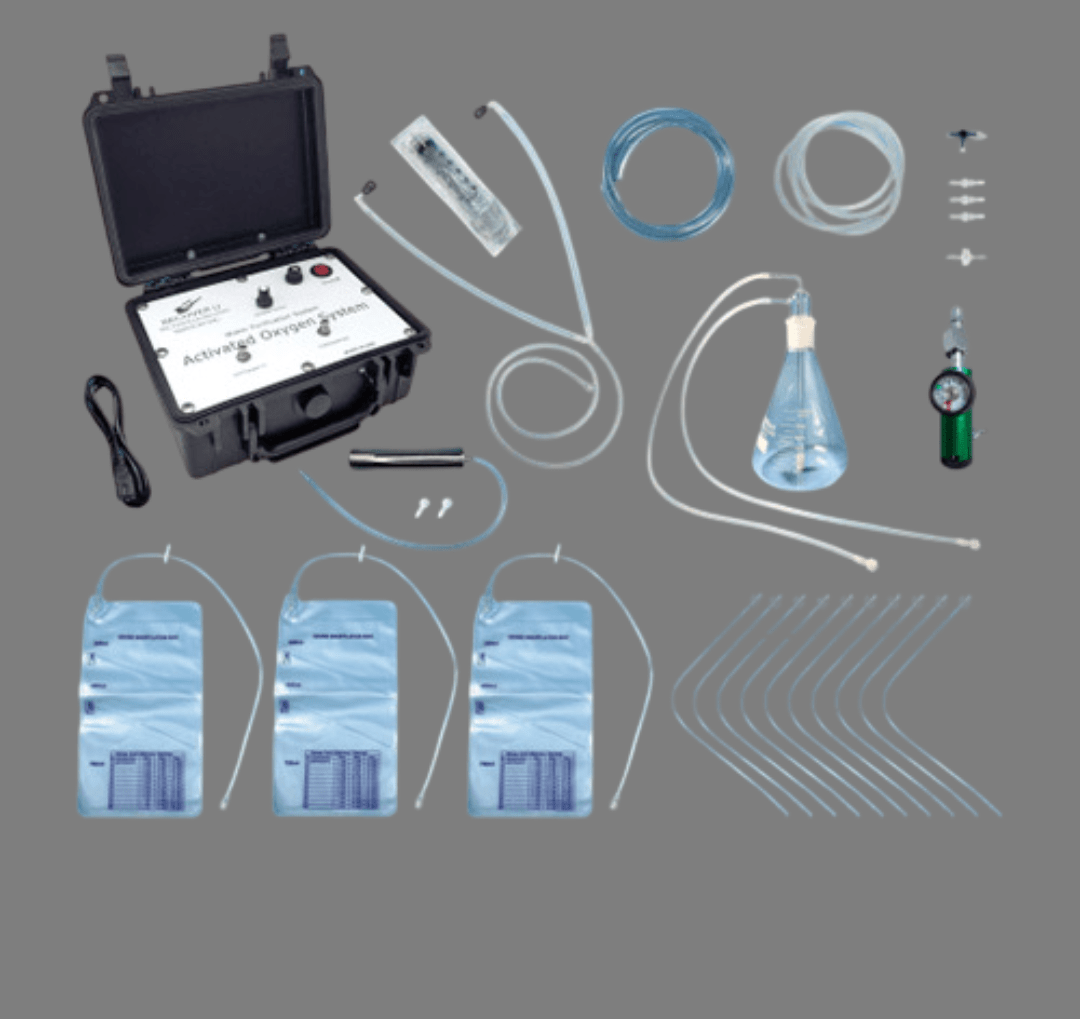
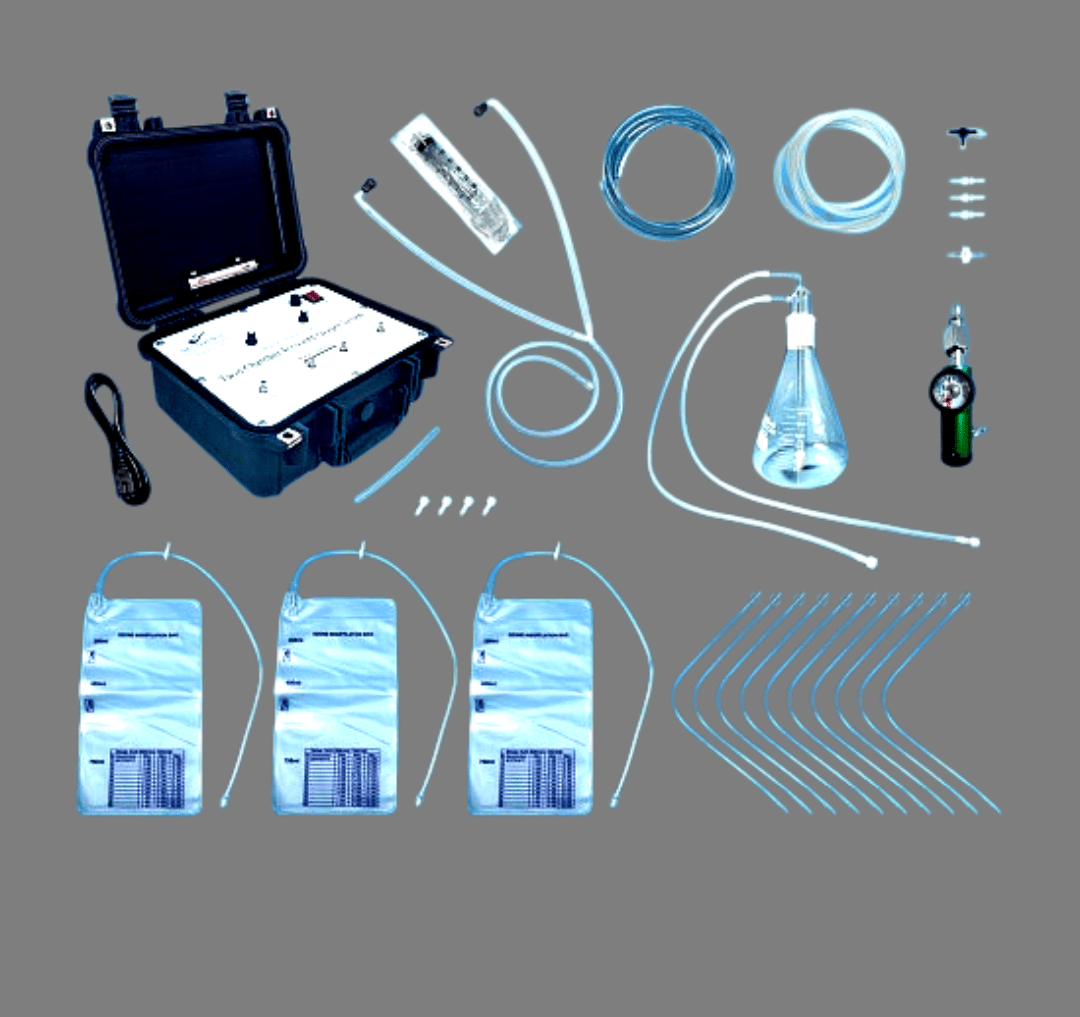
What’s Included in the Kit
Shop Kits NOW
Speak to Us
See It In Action
Watch our comprehensive video introduction to setting up and using your home ozone steam sauna capsule. Learn safe operation protocols and custom hardware compatibility steps.
