(+289) 217-5552 or (+647) 909-7419 info@resonateintowellness.com

Choosing the Right Oxygen Source for Ozone Generation

Ozone is always generated from oxygen.
That simple fact makes the oxygen source one of the most important decisions in any ozone-based application — whether for wellness, spa use, or clinical therapy.

Not all oxygen sources are equal.
They differ in purity, regulation, consistency, safety, and legal standing, especially in Canada and North America.

This article explains:

  • Why a direct oxygen feed is essential
  • Why ambient air generators are not appropriate for ozone therapy
  • The differences between oxygen concentrators, medical oxygen, food-grade oxygen, and industrial oxygen
  • Which oxygen sources are preferred, acceptable, or “better than nothing”, depending on application

Why ozone must be generated from oxygen (not air)

Ozone (O₃) is created when oxygen (O₂) passes through an ozone generator.
The cleaner and more concentrated the oxygen, the more predictable and controllable the ozone output.

Using the wrong source can lead to:

  • Unstable ozone concentrations
  • Unwanted by-products
  • Increased safety risks
  • Regulatory and liability issues

This is why responsible ozone use always starts with the oxygen source.


Where ambient air may be used

Some ozone generators operate by pulling in ambient air rather than a direct oxygen feed. These machines are commonly marketed for:

  • Low concentration water ozonation
  • Vegetable washing
  • Light air or surface cleaning

They are not designed for ozone therapy or creating large concentrations

The problem with ambient air

Ambient air is composed primarily of:

  • ~78% nitrogen
  • ~21% oxygen

When ambient air is used to generate ozone:

  • Only a small fraction of oxygen is available to convert to ozone
  • Ozone output is significantly weaker
  • Nitrogen oxides (NOx) are produced as unwanted by-products

Why nitrogen oxides matter

Nitric oxide plays a role in human physiology, but dose and control are critical.

Excess or uncontrolled nitric oxide exposure may cause:

  • Dizziness
  • Fatigue
  • Headaches
  • Blood pressure changes
  • Neurological symptoms

With ambient air–fed ozone generators, you cannot control or accurately measure nitric oxide exposure.

For this reason:

  • Ambient air generators must not be used for insufflation, injection, intracavitary ozone, or therapeutic applications
  • They should be limited strictly to water or environmental disinfection

Direct oxygen feed: the clinical standard

All therapeutic and wellness ozone applications require a direct oxygen feed into the ozone generator.

There are several ways to provide this oxygen, each with different implications.


1️⃣ Medical-Grade Oxygen

(Preferred & Required for Clinical Use)
What it is

Medical oxygen is highly purified oxygen (typically ≥99.5%) produced, handled, and regulated specifically for human therapeutic use.

It meets strict standards for:

  • Purity
  • Moisture content
  • Contaminants
  • Traceability and documentation

Regulatory reality (Canada & North America)

In Canada and the United States:

  • Medical oxygen is required for intravenous ozone therapy
  • It is expected for intracavitary applications (rectal, vaginal, ear) in a clinical setting
  • Clinics, hospitals, and some licensed spas hold appropriate authorization to obtain medical oxygen and are required to do so

In some regions:

  • Spas and wellness clinics may legally access medical oxygen if licensed
  • Medical gas regulations are increasingly enforced for public-facing facilities

Why it is the gold standard

Medical oxygen provides:

  • The lowest clinical and regulatory risk

Required uses in clinics

Medical oxygen is necessary for:

  • Intravenous ozone therapy (absolute requirement)
  • Rectal insufflation
  • Vaginal insufflation
  • Ear insufflation
  • Any application involving internal tissues or circulation

2️⃣ Food-Grade Oxygen

(High-quality option for ozone use)

What it is

Food-grade oxygen is high-purity oxygen (usually 99–99.5%) intended for direct contact with food and beverages.

It is produced on clean filling lines and meets food safety standards, but is not classified as a medical gas.

Where it fits

From a practical standpoint, food-grade oxygen:

  • Is chemically very clean
  • Has fewer contamination concerns than industrial sources

Appropriate uses

Food-grade oxygen is well used for:

  • Ozone steam saunas
  • Limb bagging
  • External ozone applications
  • Ozonated water (non-injectable use)
  • Ozonated olive oil production

Limitation

Despite its purity:

  • It is not regulated therapeutic delivery
  • It lacks medical chain-of-custody documentation

3️⃣ Oxygen Concentrators

(Practical, low-maintenance, and widely used)

What they are

Oxygen concentrators extract oxygen from ambient air and concentrate it, typically delivering:

  • ~90–94% oxygen
  • At low flow rates (often max up to 1/2 LPM)

Why they are popular

Oxygen concentrators:

  • Eliminate cylinder refills
  • Reduce regulatory burden
  • Provide continuous oxygen supply
  • Are quiet, compact, and easy to move

In practice, a good low-flow concentrator is functionally close to food-grade oxygen.

Best uses

Oxygen concentrators are appropriate for:

  • Ozone steam saunas
  • Limb bagging
  • Environmental ozone
  • Ozonated olive oil production
  • Long-duration, low-intensity ozone applications

Limitations

Compared to cylinder oxygen: not recommended in clinical settings, but used at times

Most clinicians do not recommend concentrators for insufflations or injections — even though people do use them without incident.

How is oxygen from a concentrator different from ambient air?

An oxygen concentrator does not deliver raw ambient air.

It filters ambient air using molecular sieves (zeolite) to:

  • Remove most nitrogen and other gases
  • Concentrate oxygen to approximately 90–94% purity

This makes oxygen from a concentrator:

  • Much purer than ambient air
  • More stable for ozone generation
  • Appropriate for many ozone applications

In practical use, a good oxygen concentrator is closer to food-grade oxygen than to ambient air.


3️⃣ Why do ozone generators require low oxygen flow rates?

Most ozone generators are designed to operate at very low oxygen flow rates to produce optimal ozone concentrations (often referred to as optimal gamma output).

ozone concentration table

Typical ozone therapy flow rates include:

  • 1/2 LPM
  • 1/4 LPM
  • 1/8 LPM
  • 1/16 LPM

If oxygen flow is too high:

  • Ozone concentration drops
  • Output becomes inefficient
  • Therapeutic accuracy is lost

This is why flow regulators/control are essential.


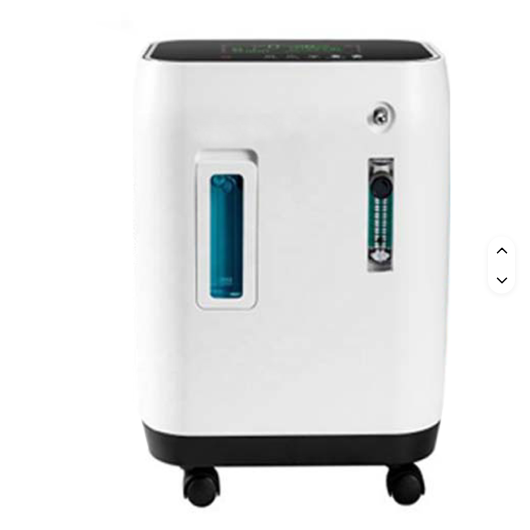
3A Low-flow oxygen concentrators (1-3 LPM) as feed for an ozone generator

Low-flow oxygen concentrators

  • Designed specifically for low flow (≤1 LPM)
  • Deliver appropriate ozone therapy flow rates directly
  • Do not require an external step-down regulator
  • Simpler and more user-friendly for ozone applications
3B High-flow oxygen concentrators (3–5 LPM or more) as feed for ozone generators

Yes — but only with proper flow control.

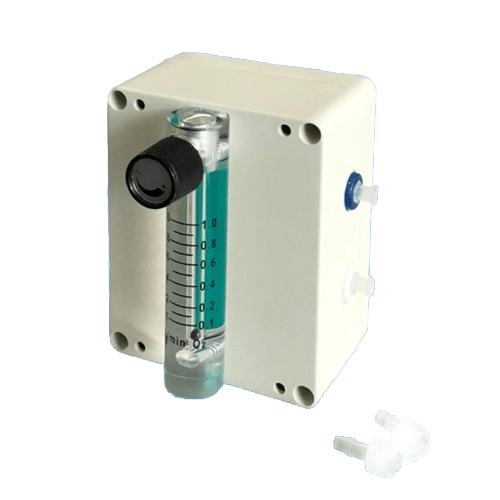
Higher-output concentrators (3–5 LPM or more) must use a special low-flow step-down regulator (external flowmeter) to reduce oxygen flow to the levels required by ozone generators.

Without this step-down flowmeter:

  • The ozone generator will not function correctly
  • Ozone output will be unstable or insufficient

This is a common point of confusion and a frequent cause of poor ozone performance.

High-flow oxygen concentrators

  • Designed for higher oxygen delivery (3–5+ LPM)
  • Require an external stepdown precision flowmeter
  • More complex setup
  • Can work well if configured correctly

Low flow oxygen device used for ozone therapy generators – Recover U


4️⃣ Industrial Oxygen

What it is

Industrial oxygen is typically 99–99.5% pure, but it is produced for industrial processes such as welding and cutting.

It is not regulated for food or medical use.

Common misconception

In many regions, industrial and medical oxygen originate from the same liquid oxygen source.
The difference lies in:

  • Regulatory classification
  • Traceability
  • Documentation
  • Intended use

Risks

Industrial oxygen:

  • Is not certified for human therapeutic use
  • May carry higher liability in clinical or public settings
  • Is not appropriate for internal ozone applications

Practical positioning

Industrial oxygen may be used:

  • For external ozone applications only
  • By experienced users
  • When better options are unavailable


4️⃣ Industrial Oxygen

What it is

Industrial oxygen is typically 99–99.5% pure, but it is produced for industrial processes such as welding and cutting.

It is not regulated for food or medical use.

Common misconception

In many regions, industrial and medical oxygen originate from the same liquid oxygen source.
The difference lies in:

  • Regulatory classification
  • Traceability
  • Documentation
  • Intended use

Risks

Industrial oxygen:

  • Is not certified for human therapeutic use
  • May carry higher liability in clinical or public settings
  • Is not appropriate for internal ozone applications

Practical positioning

Industrial oxygen may be used:

  • For external ozone applications only
  • By experienced users
  • When better options are unavailable

Why are oxygen cylinders more regulated in Canada?

Oxygen cylinders — especially medical oxygen — are regulated because they are classified as medical gases when used for therapeutic purposes.

This includes:

  • Licensing requirements
  • Traceability and documentation
  • Storage and handling standards

As enforcement increases in Canada, many wellness providers prefer:

  • Oxygen concentrators for external applications
  • Medical oxygen only where clinically necessary

This distinction helps facilities remain compliant while still offering non-invasive ozone wellness services.

General Regulatory FAQs

Is there a difference between wellness ozone use and medical ozone therapy?

Yes — and this distinction is critical.

  • Wellness ozone use includes external applications such as ozone saunas, limb bagging etc
  • Medical ozone therapy involves internal or invasive protocols

Regulatory expectations, oxygen source requirements, and liability differ significantly between these two categories across North America.

Why is medical oxygen required for intravenous ozone therapy?

Intravenous ozone therapy involves direct interaction with the bloodstream, which is highly regulated by authoritarian associations ie Health Canada

For this reason, medical-grade oxygen is the only acceptable source for IV ozone therapy in Canada and the United States.

Can regulations differ between countries, states, or provinces?

Yes.

Ozone therapy and oxygen use regulations can vary by:

  • Country
  • Province or state
  • Local health authority
  • Type of facility (clinic vs wellness centre vs home use)

This is why responsible providers:

  • Follow the most conservative applicable standard
  • Match oxygen sources to application type
  • Avoid “one-size-fits-all” approaches
Why do some practitioners still use different oxygen sources?

In practice, oxygen source selection often balances:

  • Application type
  • Regulatory environment
  • Equipment availability
  • Maintenance and logistics

When done responsibly:

  • Medical oxygen is used where required
  • Concentrators or food-grade oxygen are used for appropriate applications

Problems arise when boundaries are ignored — not when alternatives are used correctly.

Do supplies stores for Breweries sell oxygen cylinders / tanks and refill them with food grade oxygen?

Some brewer supply stores may not be certified to retail gases therefor you might purchase an empty cylinder but not fill with oxygen or refill it at their stores.

Should I purchase my own cylinder or lease /rent it from the company?

When you want a large cylinder for your centre you will most likely just lease them which will secure the drop off and exchange to your place by the gases company. If you are looking for a smaller cylinder used at home but also some centres it really plays no significant role but you might have to wait when bringing you own cylinder for refill. If on other hand you are renting or leasing it you will usually just bring the empty in and collect a full one.

Leasing is often just as inexpensive as buying and all the cylinders do have a life span of few years only and so you will be purchasing a new unit again, mostly 5 years later.

Some gas companies might not want to accept cylinder/tanks that are not theirs for refill.

Do I purchase a regulator when purchasing a cylinder /tank from the gas company or Brewery supplier?

No, our regulators have smaller increments when used with cylinders/ tank however they fit the ones available in North America, which have two types of head 540G or 870G.Further information in in our store and we will send you the one you will require with the ozone generator kit.

Preferred vs Acceptable vs “Better Than Nothing”

Preferred (required in many cases):

  • Medical-grade oxygen
    → Internal, invasive, clinical ozone applications

Acceptable:

  • Food-grade oxygen
  • High-quality oxygen concentrators
    → Ozone saunas, limb bagging, ozonated oils, external wellness use

Better than nothing (with caution):

  • Industrial oxygen
    → External use only, non-clinical settings

Final perspective

Ozone is not inherently dangerous — misuse is.

Most problems arise when:

  • The wrong oxygen source is used
  • Boundaries between wellness and medical therapy are blurred
  • Ambient air generators are misapplied
  • Regulatory realities are ignored

At Recover U, we emphasize:

  • Clear application boundaries
  • Appropriate oxygen selection
  • Conservative clinical judgment
  • Education over improvisation

Because in ozone therapy, how ozone is generated matters as much as how it is used.

RELEASE / DISCLAIMER

Important Notice

The information provided in this article is for educational purposes only and is intended to support informed decision-making regarding ozone generation equipment and oxygen sources.

It is not intended as medical advice, nor does it replace professional clinical judgment, regulatory guidance, or manufacturer instructions.

Ozone therapy regulations, oxygen sourcing requirements, and permitted applications may vary by country, province, state, and facility type.
Always comply with applicable laws, professional standards, and local regulations when offering ozone-based services.

Intravenous ozone therapy and internal ozone applications should only be performed by appropriately trained professionals.

It should never be used for intravenous ozone therapy.

Recover U Technologies and Services Inc.

Maya Fabiszak, Director, Certified Oxidative Therapies Specialist, Certified Nutritionist & Environmental Lifestyle Counselor, phone 647.909.7419
Ewa Pringle, Cofounder, phone 289.217.5552

Websites:
Recover U Technologies and Services Inc.
Swiss Bionic Solutions

Facebook
Instagram
Twitter
YouTube
Pinterest
Google page
TickTock
Ozone Therapy Around the World

Ozone Therapy Around the World

Ozone Therapy Around the World

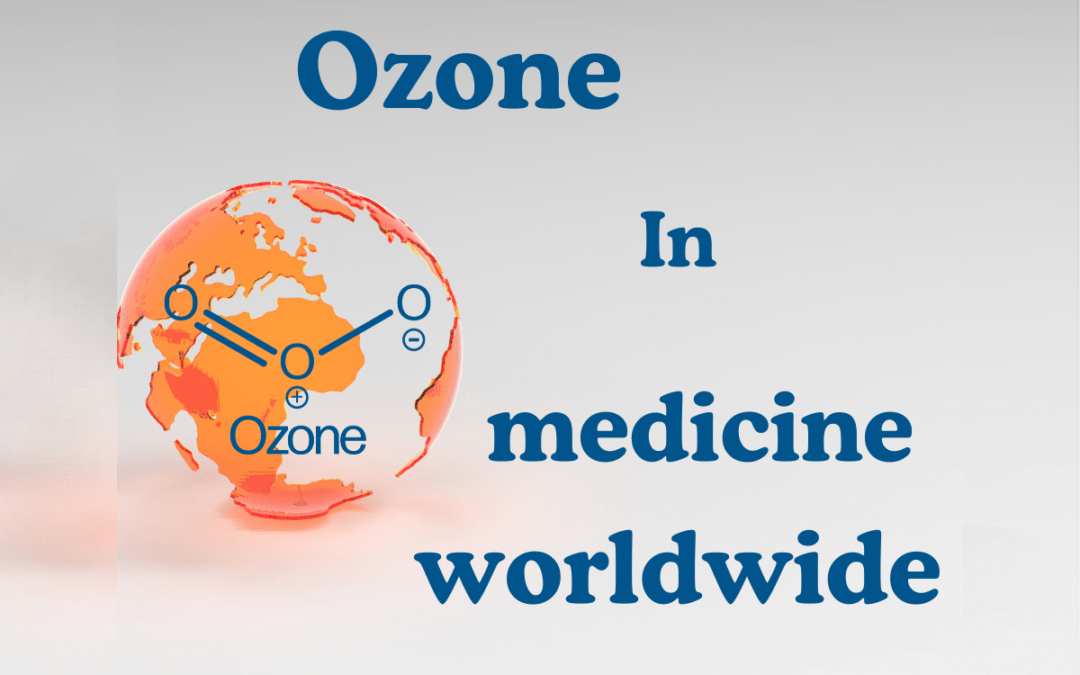
An educational, country-by-country overview of how ozone therapy is regulated, practiced, and governed globally. This resource highlights international clinical use, safety standards, and regulatory approaches — while noting the absence of formal recognition in the United States and Canada.

Regulation, Practice, and Availability — Country by Country

INTRODUCTION

If you’re searching for healing beyond the usual paths, Dr. Robert Rowen, MD, lays out what many already know from firsthand experience: ozone is used across hospitals, clinics, and medical practices worldwide, with established methods, safety norms, and professional standards.

This article is an easy-to-navigate compilation of information on ozone legislation and its application in healthcare across the world.

The article attached below has been written by Gary Krup and is being promoted by Dr. Robert Rowen. We greatly appreciate the work of both of them.


WHY THIS MATTERS NOW

The survey shows broad, long-standing clinical use of ozone therapy — including autohemotherapy, insufflation, and topical and dental applications — alongside clear governance practices such as protocols, dosing standards, informed consent, and device quality assurance.

The United States is notably absent from formal recognition — and so is Canada.

In Canada, ozone retailers have faced regulatory scrutiny and are prohibited from selling ozone devices for wellness purposes; even promoting ozone’s efficacy is restricted. This should concern anyone who believes patients deserve informed choice and freedom of speech.

In a time when health is widely compromised — from nutrient-depleted soils and toxic exposures, to pervasive EMFs, heavily treated or recycled water, long hours on screens, infections increasingly resistant to antibiotics, and rising burdens of obesity, hypertension, cardiometabolic disease, and cancer — therapies like ozone deserve to be explored, studied, and carefully applied (where appropriate), not dismissed due to status-quo assumptions, outdated viewpoints, or monopolizing interests.


DR. ROBERT ROWEN WRITES

§ 801.415 Maximum acceptable level of ozone
“Ozone is a toxic gas with no known useful medical application in specific, adjunctive, or preventive therapy.”

Dr. Rowen asks: Why do I say this is a lie?
Because the FDA is part of the same U.S. Department of Health and Human Services (HHS) that houses PubMed, a central archive of peer-reviewed medical literature. A search for “ozone therapy” returns over 5,000 published articles documenting research, mechanisms, and clinical use.

RFK Jr. has stated his intent to remove this outdated regulation.
Those who wish to express support may write to:
HHS, 200 Independence Avenue, SW, Room 716G, Washington, DC 20201


COUNTRY-BY-COUNTRY SNAPSHOT

ABU DHABI (EMIRATE)

Snapshot / legal & regulatory status
Ozone therapy services must be registered with the Abu Dhabi Department of Health (DoH) through the TAMM platform. Services are regulated under formal facility and staffing standards.

Common clinical uses & administration methods
Autohemotherapy, rectal insufflation, topical ozonated-water wound care, intra-articular and paravertebral injections.

Facility requirements & staffing
Licensed health facilities only, with physician oversight, sterile procedure areas, and emergency equipment.

Training & professional organizations
Training provided by device vendors, private organizations, and international societies; documented competency is required.

Safety, governance & recordkeeping
Informed consent, adverse-event reporting, device maintenance, and clinical governance are mandatory.

Practical notes
Verify DoH licensing, TAMM registration, and staff credentials before treatment.


BENIN

Snapshot / legal & regulatory status
Public documentation on national regulation is limited. Ozone therapy appears in private clinics, NGO programs, and volunteer initiatives.

Common clinical uses & administration methods
Rectal insufflation and topical ozonated-water wound care.

Facility requirements & staffing
Private clinics or project sites; standards depend on the delivering organization.

Training & professional organizations
Training typically provided by visiting specialists, device suppliers, or NGOs.

Safety, governance & recordkeeping
Infection control and practitioner verification are essential.

Practical notes
Ask about device type, maintenance records, and consent procedures.


BRAZIL

Snapshot / legal & regulatory status
Brazil has an active ozone-therapy professional community. Ozone is widely practiced in private clinics and some public hospitals, with regulation varying by region.

Common clinical uses & administration methods
Autohemotherapy, rectal insufflation, intra-articular injections, topical ozonated oils/water, and dental ozone.

Facility requirements & staffing
Typically provided by licensed physicians or dentists in private clinics.

Training & professional organizations
National and regional societies offer training, conferences, and certifications.

Safety, governance & recordkeeping
Protocols, informed consent, and device calibration are emphasized.

Practical notes
Confirm physician involvement and society affiliation.


CANADA

Snapshot / legal & regulatory status
Ozone therapy is not formally recognized. Health Canada restricts the sale and promotion of ozone devices for wellness or medical purposes.

Common clinical uses & administration methods
Not openly offered within the public system. Some use occurs quietly in integrative settings or abroad.

Facility requirements & staffing
No recognized clinical framework for ozone therapy.

Training & professional organizations
Training is obtained internationally; no national certification pathway exists.

Safety, governance & recordkeeping
Governance is inconsistent due to regulatory constraints.

Practical notes
Many Canadians seek ozone therapy outside the country.


CHINA

Snapshot / legal & regulatory status
Ozone therapy has been studied and used in hospitals and specialty clinics since the 1990s. Regulation occurs at the hospital and clinic level.

Common clinical uses & administration methods
Autohemotherapy, topical ozonated water, and rehabilitation applications.

Facility requirements & staffing
Hospital-based delivery by licensed physicians.

Training & professional organizations
Hospital training, specialist workshops, and manufacturer programs.

Safety, governance & recordkeeping
Hospitals maintain records, consent forms, and device logs.

Practical notes
Prefer university-affiliated hospitals with published protocols.


COLOMBIA

Snapshot / legal & regulatory status
Ozone therapy is delivered mainly through private clinics under general healthcare regulation.

Common clinical uses & administration methods
Autohemotherapy, rectal insufflation, topical wound care.

Facility requirements & staffing
Private outpatient clinics with licensed clinicians.

Training & professional organizations
Often through device vendors and international training.

Safety, governance & recordkeeping
Consent and sterile technique vary by clinic.

Practical notes
Verify credentials and written protocols.


COSTA RICA

Snapshot / legal & regulatory status
Ozone therapy is available in private clinics and medical-wellness centers.

Common clinical uses & administration methods
Autohemotherapy, rectal insufflation, dental ozone, wound care.

Facility requirements & staffing
Private clinics staffed by licensed physicians or dentists.

Training & professional organizations
Training via vendors, visiting instructors, and regional societies.

Safety, governance & recordkeeping
Consent and treatment logs are standard.

Practical notes
Verify accreditation and aftercare for medical tourism.


CUBA

Snapshot / legal & regulatory status
Ozone therapy is recognized within Cuba’s Natural and Traditional Medicine system and is widely used in hospitals and specialized centers.

Common clinical uses & administration methods
Rectal insufflation, autohemotherapy, topical and intramuscular applications.

Facility requirements & staffing
Hospital-based centers with formal protocols.

Training & professional organizations
National research centers and medical institutions provide training.

Safety, governance & recordkeeping
Dosing standards, contraindication screening, and documentation are emphasized.

Practical notes
Prefer established hospital-linked centers.


GERMANY

Snapshot / legal & regulatory status
Ozone therapy has been used since the 1980s and is widely practiced; millions of patients have received treatment.


GREECE

Snapshot / legal & regulatory status
Ozone therapy procedures are reported to be reimbursed within the national healthcare system.


INDIA

Snapshot / legal & regulatory status
India hosts an active ozone-therapy community operating mainly in private clinics under physician licensing.

Common clinical uses & administration methods
Autohemotherapy, rectal insufflation, dental ozone, topical ozonated oils.

Facility requirements & staffing
Outpatient clinics led by physicians and dentists.

Training & professional organizations
National societies and international training programs.

Safety, governance & recordkeeping
Protocols, consent, and device maintenance emphasized.

Practical notes
Look for society-affiliated clinics.


IRAN

Snapshot / legal & regulatory status
Ozone therapy is used in hospital and rehabilitation settings and studied in clinical trials.

Common clinical uses & administration methods
Autohemotherapy, intra-articular injections, wound care.

Facility requirements & staffing
Hospital-based delivery by trained physicians.

Training & professional organizations
Academic hospitals and research centers.


IRAQ

Snapshot / legal & regulatory status
Clinical case reports indicate use in pain and musculoskeletal care, though national regulation is limited.


ISRAEL

Snapshot / legal & regulatory status
Ozone therapy appears mainly in private regenerative clinics under general medical oversight.


KENYA

Snapshot / legal & regulatory status
Ozone therapy is offered in some private clinics; no clear national framework exists.


LATVIA

Snapshot / legal & regulatory status
As an EU member, Latvia regulates ozone therapy under general medical and device rules.


LITHUANIA

Snapshot / legal & regulatory status
Ozone therapy appears in private clinics and rehabilitation settings under EU medical oversight.


POLAND

Snapshot / legal & regulatory status
Ozone therapy is practiced privately under EU medical-device regulations.

Common clinical uses & administration methods
Autohemotherapy, rectal insufflation, topical applications.

Facility requirements & staffing
Private clinics led by licensed clinicians.

Training & professional organizations
Private training programs and international collaboration.

Safety, governance & recordkeeping
Consent, dosing, and device standards emphasized.


ROMANIA

Snapshot / legal & regulatory status
Romania hosts active ozone-therapy organizations and international conferences.


RUSSIA AND UKRAINE

Snapshot / legal & regulatory status
Ozone therapy is approved and widely used in government hospitals.

Common clinical uses & administration methods
Autohemotherapy, rectal insufflation, injections, topical applications.

Facility requirements & staffing
Hospital-based care under physician oversight.

Training & professional organizations
Medical institutions and professional associations.

Safety, governance & recordkeeping
Formal protocols, dosing standards, and documentation.

CONCLUSION

This country-by-country overview shows that ozone therapy is widely used internationally, often under formal medical systems or structured professional oversight. While regulatory approaches differ, most countries permit ozone therapy within existing healthcare frameworks.

In contrast, the United States and Canada remain notable outliers, despite decades of international clinical experience and published research.

This document is provided for educational reference, encouraging informed discussion, careful inquiry, and verification of credentials and local regulations.


Educational only. Not medical advice. Regulations vary by country and may change. Always consult a qualified clinician and verify local laws.

For readers interested in learning more about ozone systems and educational resources, visit our Ozone Education & Equipment section.

Understanding proper equipment, dosing, and safety protocols is essential when learning about ozone therapy.

For those new to ozone concepts, our Ozone 101 resources explain how ozone is generated and used safely.

⚠️ No medical claims. No promises. Just education.

FREQUENTLY ASKED QUESTIONS

Is ozone therapy legal worldwide?

Ozone therapy is regulated differently by country. Some nations have formal frameworks or reimbursement systems, while others allow ozone therapy under general medical-device and physician-licensing laws. A few countries, including the United States and Canada, restrict or discourage its use despite international practice.

Is ozone therapy considered experimental?

In many countries, ozone therapy is considered an established complementary or adjunctive medical practice. In others, it is classified as experimental or non-standard, even though it has been used clinically for decades.

Why do some countries allow ozone therapy while others restrict it?

Regulatory decisions are influenced by historical policy, medical governance models, and institutional perspectives. Restrictions do not necessarily reflect lack of clinical use elsewhere.

Is ozone therapy safe?

When administered correctly by trained professionals using certified equipment, ozone therapy follows defined safety protocols. Like all medical interventions, it has contraindications and requires appropriate screening.

Why is ozone therapy used in hospitals outside North America?

Many countries integrate ozone therapy into public hospitals or regulated private clinics based on local research, long-standing clinical experience, and professional society guidance.

Can patients in the U.S. or Canada access ozone therapy?

Access is limited and often discreet. Many patients travel abroad to receive ozone therapy in countries where it is formally integrated into healthcare systems.

Does this article promote ozone therapy?

No. This article is educational and informational, presenting how ozone therapy is regulated and practiced globally.

Ozone & Pets

Ozone & Pets

Practical, Responsible Home Uses Inspired by Veterinary Ozone Practice

Ozone therapy has been used worldwide for decades in water sanitation, dentistry, medicine, and environmental disinfection. In recent years, it has also become part of integrative veterinary practice, where trained professionals use ozone in controlled ways to support wound care, oral health, infection management, and recovery.

This resource is not about clinical veterinary ozone therapy.

It is about sensible, non-invasive, at-home uses of ozonated water and topical ozone products, informed by professional ozone principles and adapted for everyday pet care.

For readers new to ozone, you can learn more about how ozone works here:https://resonateintowellness.com/ozone-therapy/

Why Ozone Makes Sense for Home Pet Care

Ozone (O₃) is oxygen with an extra oxygen atom. That extra atom makes ozone highly reactive, which is why it has long been used to:

  • Disinfect drinking water
  • Sanitize food and surfaces
  • Neutralize odours at their source
  • Reduce microbial load without leaving chemical residues

A key point many people miss:

Ozone is not stable.

  • In water, ozone gradually converts back into oxygen
  • Heat, air exposure, and time reduce its strength
  • Fresh ozonated water is the most effective

This short lifespan is actually a benefit for home use — it allows ozone to be effective without lingering toxicity.

Clear Safety Boundaries (Realistic & Accurate)

What not to do

  • ❌ Do not expose pets to ozone gas in the air
  • ❌ Do not attempt veterinary ozone procedures at home
    (injections, internal insufflation, IV ozone, etc.)
  • ❌ Do not use ozone as a replacement for veterinary diagnosis or treatment

What is appropriate at home

  • ✅ Fresh ozonated water for external cleaning and hygiene
  • Topical ozone oils for skin support (used appropriately)
  • ✅ Environmental cleaning and odour control
  • ✅ Supportive hygiene for skin, fur, paws, mouth, and surfaces

Ears: Responsible Use Without Overreach

In veterinary settings, ozone may be used for ear conditions by trained professionals.

At home:

  • Limit ozone use to external ear hygiene only
  • Apply fresh ozonated water to a cotton pad
  • Gently clean the visible outer ear
  • Never force liquid or gas deep into the ear canal

If there is pain, head shaking, discharge, or persistent odour, professional veterinary evaluation is essential.

Oral Hygiene & Gums (Supportive, Not Clinical)

Many pet owners already brush teeth or wipe gums. Fresh ozonated water can be used in the same supportive hygiene category:

  • Helps reduce surface microbial load
  • Leaves no chemical residue
  • Works best when used gently and fresh

This does not replace dental cleanings or treatment of infections — it supports routine care.

Skin, Fur & Environmental Hygiene

Ozonated water can be used for:

Minor superficial skin irritations
Paw rinsing after outdoor exposure
Fur wiping after messy adventures
Cleaning bedding, bowls, crates, carriers, and grooming tools

Because ozone breaks down into oxygen, it is often chosen by pet owners who want to reduce chemical load in the home.

Odour Events: Where Ozone Excels

Certain pet situations overwhelm normal washing:

  • Skunk encounters
  • Rolling in faeces
  • Contact with decomposing organic matter
  • Persistent “mystery smells”

Ozonated water:

  • Neutralizes odour-causing compounds
  • Does not rely on fragrance
  • Works as a powerful add-on to washing, not a mask

Ozone Equipment (For Home Hygiene Use)

Pet owners who regularly use ozonated water for hygiene, cleaning, or odour control often choose home ozone generator kits designed for water ozonation, not air treatment.

You can explore ozone generator kits suitable for water-based applications here:
https://resonateintowellness.com/product-category/ozone-generator-kits/

A Brief Note on PEMF

Some pet owners also explore PEMF (Pulsed Electromagnetic Field) systems as a non-invasive wellness tool. This topic will be covered in a separate dedicated article focused specifically on PEMF and pets.

Bottom Line

Ozone is powerful — but power works best with restraint.

When used as fresh ozonated water, ozone can be a valuable home tool for:

  • Hygiene
  • Odor control
  • Environmental cleanliness
  • Gentle skin and oral support

Used responsibly, it complements veterinary care rather than competing with it.

Disclaimer

This content is for educational purposes only and does not replace veterinary care or professional medical advice. Ozone use described here is limited to non-invasive, external hygiene and environmental applications using properly ozonated water. Veterinary ozone procedures should only be performed by trained professionals. If your pet has persistent symptoms, pain, infection, or injury, consult a licensed veterinarian.

The Lymphatic Drainage System: Superficial, Deep & Whole-Body Detox Pathways

The lymphatic system is central to detoxification, immune regulation, inflammation control, and metabolic balance. Yet it remains one of the least understood systems in modern health discussions.

When lymphatic transport slows, detoxification does not stop — it accumulates, placing increasing stress on immune, metabolic, and inflammatory systems over time.

Unlike the cardiovascular system, the lymphatic system has no central pump. Its efficiency depends entirely on mechanical movement, pressure gradients, breathing dynamics, circulation, and biochemical signaling. When these inputs are insufficient, lymph stagnates — and detoxification slows at a systemic level.

This resource explains how the lymphatic system functions, the difference between superficial and deep lymphatic drainage, and how therapies involving heat, ozone, oxygen utilization, and controlled stress can significantly influence lymphatic flow.


The Core Role of the Lymphatic System

The lymphatic system is a parallel circulatory network responsible for:

  • Transporting metabolic waste and cellular debris
  • Moving immune cells and inflammatory mediators
  • Regulating interstitial fluid balance
  • Supporting detoxification pathways
  • Maintaining tissue and organ health

Lymph fluid collects waste from tissues and transports it through lymph vessels and nodes, where immune processing occurs before elimination via the liver, kidneys, lungs, and digestive tract.

When lymph flow is impaired, waste clearance becomes inefficient — regardless of liver or kidney function.


Superficial Lymphatic Drainage

The superficial lymphatic network lies just beneath the skin and primarily drains:

  • Skin and subcutaneous tissue
  • Surface inflammation
  • Localized fluid retention
  • Cosmetic and soft-tissue congestion

Superficial lymph flow responds well to:

  • Gentle movement
  • Light pressure
  • Skin stimulation
  • Heat exposure

When superficial lymph stagnates, common signs include puffiness, swelling, dull skin tone, and localized fluid retention.

Superficial drainage is important — but it represents only the outer layer of lymphatic function.


Deep Lymphatic Drainage: Where Systemic Detox Occurs

The deep lymphatic system runs alongside major blood vessels and vital organs, including:

  • Liver
  • Intestines
  • Lungs
  • Kidneys
  • Muscles and joints

This network is responsible for transporting systemic waste, inflammatory byproducts, immune complexes, and metabolic debris generated deep within tissues.

Deep lymphatic flow depends heavily on:

  • Muscle contraction
  • Respiratory mechanics
  • Circulatory pressure changes
  • Heat-induced vasodilation
  • Carbon dioxide (CO₂) balance

When deep lymph stagnates, detoxification becomes incomplete. Waste accumulates not at the surface, but around organs and within tissues, contributing to fatigue, inflammation, and impaired recovery.


Detoxification Is a Transport Problem, Not a Breakdown Problem

Detoxification is often described as a liver-centric process. In reality, the liver and kidneys process waste, but the lymphatic system delivers it.

If lymphatic transport is slow:

  • Detox protocols may feel exhausting
  • Inflammatory load may increase
  • Energy may decline rather than improve

Effective detoxification requires efficient waste transport, not simply enhanced biochemical processing.


Heat, Circulation & Lymphatic Pressure Dynamics

Heat exposure has profound physiological effects relevant to lymphatic flow:

  • Blood and lymph vessels dilate
  • Circulatory volume increases
  • Tissue perfusion improves
  • Pressure gradients shift
  • Sweating increases

Steam and heat create rhythmic changes in vascular and interstitial pressure, which mechanically assist lymph movement — particularly in deep lymph vessels near organs.

This is why sauna therapy has long been associated with detoxification, immune support, and recovery.


What Ozone Contributes at a Physiological Level

Ozone is an activated form of oxygen that interacts with redox signaling, immune modulation, and oxygen utilization pathways.

When ozone is introduced in a controlled setting — particularly during heat exposure — it can influence:

  • Oxidative signaling cascades
  • Immune communication
  • Antimicrobial balance
  • Oxygen utilization efficiency

Importantly, ozone does not act as a simple oxygen donor. It functions as a biological signal, influencing how the body responds to oxidative stress and metabolic demand.

When circulation and lymph flow are already elevated (as during sauna use), these signaling effects are more likely to support efficient waste transport and immune regulation.


CO₂, Oxygen Utilization & Lymphatic Flow

A critical but often overlooked factor in lymphatic function is carbon dioxide (CO₂).

CO₂ plays a central role in:

  • Blood vessel dilation
  • Oxygen release into tissues (Bohr effect)
  • Breathing depth and rhythm
  • Pressure changes that drive lymph movement

Improved oxygen utilization is not solely about oxygen intake — it depends on appropriate CO₂ levels. When CO₂ balance improves, oxygen delivery and waste removal tend to improve together.

This is why breathing mechanics, heat exposure, and circulatory stimulation are so influential for lymphatic health.


EWOT, Oxygen Dynamics & Lymph Support

Exercise With Oxygen Therapy (EWOT) introduces oxygen under conditions of elevated metabolic demand. When used appropriately, EWOT may:

  • Increase circulatory pressure changes
  • Enhance oxygen utilization
  • Support lymphatic transport through muscular and respiratory activity

When combined with heat-based therapies, EWOT can complement lymphatic movement by reinforcing the mechanical drivers of lymph flow rather than relying on passive approaches alone.


Why Ozone Steam Saunas Offer a Multi-Layered Approach

Ozone steam saunas systems combine several lymph-supportive mechanisms in a single session:

  • Heat → circulation and lymph vessel dilation
  • Steam → hydration and skin-based elimination
  • Ozone → immune and oxidative signaling
  • Optional oxygen breathing / EWOT → oxygen utilization support

This creates a physiological environment in which deep lymphatic drainage is supported rather than forced, allowing detox processes to proceed more efficiently and sustainably.


Supporting Lymphatic Function Beyond the Sauna

Consistent lymphatic support also includes:

  • Regular movement
  • Conscious breathing
  • Adequate hydration
  • Stress regulation
  • Recovery-oriented routines

The goal is not aggressive detoxification, but optimized transport and clearance.


Frequently Asked Questions

Q: Why is deep lymphatic drainage more difficult to stimulate?
Deep lymph vessels rely on internal pressure changes, breathing mechanics, and circulation rather than surface stimulation alone.

Q: Can sauna therapy support lymphatic drainage?
Yes. Heat and steam increase circulation and pressure dynamics that mechanically assist lymph movement, including in deep vessels.

Q: How does ozone interact with detox pathways?
Ozone influences immune and oxidative signaling. When combined with heat and circulation, it may support efficient waste transport rather than forcing elimination.

Q: Why does detox sometimes feel draining instead of energizing?
Detox can feel difficult when lymphatic transport is insufficient. Supporting lymph flow often changes how detox is experienced.s


Summary

  • The lymphatic system is central to detoxification and immune regulation
  • Superficial and deep lymphatic drainage serve different roles
  • Heat, circulation, breathing, and pressure dynamics drive lymph movement
  • Ozone and oxygen-based therapies influence detox through signaling and utilization pathways
  • Ozone steam saunas integrate multiple supportive mechanisms in one system

Supporting lymphatic drainage means supporting the body’s capacity to clear, recover, and adapt.

Further Reading


Disclaimer

The information provided is for educational purposes only and is not intended as medical advice. Products and therapies referenced are not intended to diagnose, treat, cure, or prevent disease. Always consult a qualified healthcare practitioner before beginning any new wellness practice.

Other ozone applications

There are several active oxygen (ozone) application methods that can be done in the clinic or after proper instruction safely and effectively applied at home.

“The concept of at home preventive therapy with ozone might just be one of the biggest breakthroughs of this decade”.

Dr. Frank Shallenberger

Assuming you have the proper equipment and know-how, there are simple and non-invasive do-it-yourself ozone therapy application methods that can be performed at home.

INGESTION

  • using low gamma ozonated water for drinking and purifying water
  • consuming ozonated olive oil

TOPICAL/TRANSDERMAL

  • ozone steam sauna
  • applying ozonated olive oil
  • limb bagging with ozone
  • cupping with ozone

INHALATION

IRRIGATION

  • using ozone water for colonic irrigation, retentive enema, vaginal douche
  • dental/oral applications

INSUFFLATION

  • rectal insufflation
  • vaginal insufflation
  • ear insufflation

CLEANING

  • disinfecting with ozonated water

It is essential to follow proper guidelines for safe and effective at-home ozone therapy. Consultation with a healthcare professional is advised.

Recover U store

NASA studies

This four year study used volunteers “to define the most effective electromagnetic fields for enhancing growth and repair in mammalian tissues,” To utilize “nerve tissue which has been refractory to efforts to stimulate growth or enhance its repair regardless of the energy used”, to define a PEMF technology that would “duplicate mature, three dimensional morphology between neuronal cells and feeder (glial) cells, which has not been previously accomplished.”Concluding four-year-long research efforts NASA’s concluded: “The up-regulation of these genes is in no manner marginal (1.7-8.4 logs) with gene sites for collagen production and growth the most actively stimulated”, “We have clearly demonstrated the bioelectric/biochemical potentiation of nerve stimulation and restoration in humans as a documented reality”, “The most effective electromagnetic field for repair of trauma was square wave with a rapid rate of change (dB/dt) which saw cell growth increased up to 4.0 times.” They further noted that “slowly varying (millisecond pulse, sine wave) or non-varying DC (CW lasers, magnets) had little to no effect.” NASA’s suggested recommendations: “One may use square wave EM fields with a rapid rate of change for”: repairing traumatized tissues, moderating certain neurodegenerative diseases such as Alzheimer and Parkinson, treatment of some muscle disorders, in healing refractory broken bones, and developing tissues for transplantation.

We, humans, are electromagnetic beings and electromagnetism is a life force for us – as it is for the entire universe. All cells within our body are communicating via electrical impulses. Scientists and doctors have wondered for years if by upregulating and manipulating those impulses human health and well-being can be improved. According to the most cutting-edge modern science, PEMF technology can help prevent tissue decay for many hours and NASA research has proved that it definitively could. Overall, it enhances the way your body properly works in many cases controlling and treating inflammation a leading cause of countless chronic illnesses and relieving pain and halting all aging symptoms with no side effects.

We finally reach the time in our human history that not only astronauts travelling into the outer space of planet Earth are benefiting from PEMF technology. Swiss Bionic Solutions systems have been manufacturing PEMF home units that could benefit all of us. As PEMF technology has no risks and potentially huge benefits for all of us – why not to try it?

PHYSIOLOGICAL AND MOLECULAR GENETIC EFFECTS OF TIME-VARYING ELECTROMAGNETIC FIELDS ON HUMAN NEURONAL CELLS