Choosing the Right Oxygen Source for Ozone Generation
Ozone is always generated from oxygen.
That simple fact makes the oxygen source one of the most important decisions in any ozone-based application — whether for wellness, spa use, or clinical therapy.
Not all oxygen sources are equal.
They differ in purity, regulation, consistency, safety, and legal standing, especially in Canada and North America.
This article explains:
- Why a direct oxygen feed is essential
- Why ambient air generators are not appropriate for ozone therapy
- The differences between oxygen concentrators, medical oxygen, food-grade oxygen, and industrial oxygen
- Which oxygen sources are preferred, acceptable, or “better than nothing”, depending on application
Why ozone must be generated from oxygen (not air)
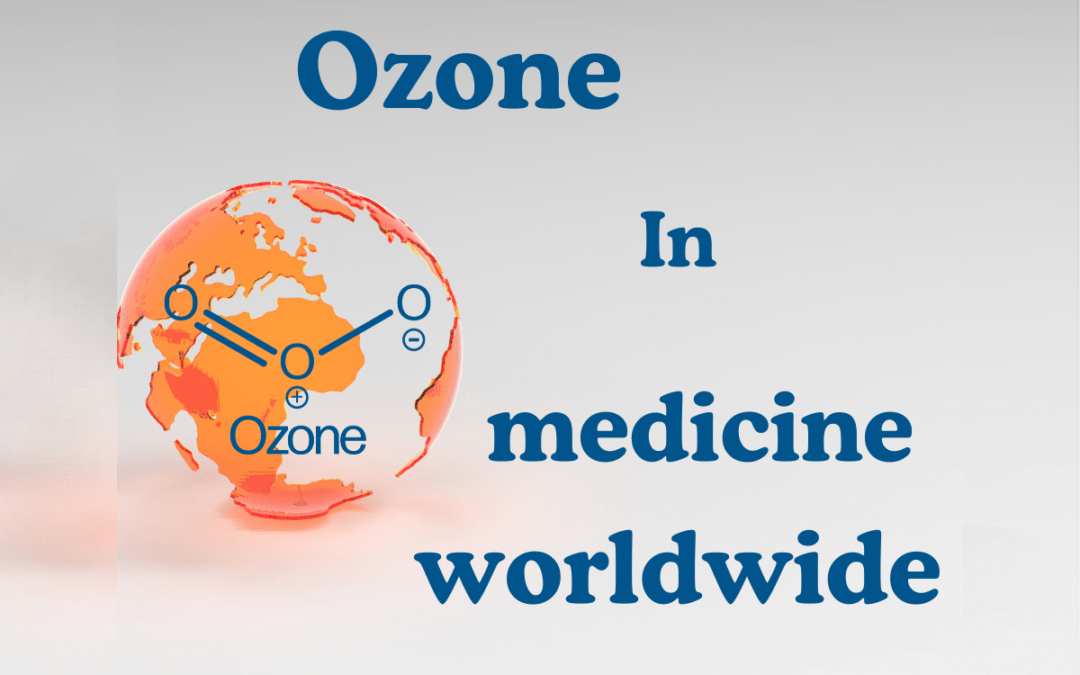
Ozone (O₃) is created when oxygen (O₂) passes through an ozone generator.
The cleaner and more concentrated the oxygen, the more predictable and controllable the ozone output.
Using the wrong source can lead to:
- Unstable ozone concentrations
- Unwanted by-products
- Increased safety risks
- Regulatory and liability issues
This is why responsible ozone use always starts with the oxygen source.
Where ambient air may be used
Some ozone generators operate by pulling in ambient air rather than a direct oxygen feed. These machines are commonly marketed for:
- Low concentration water ozonation
- Vegetable washing
- Light air or surface cleaning
They are not designed for ozone therapy or creating large concentrations
The problem with ambient air
Ambient air is composed primarily of:
- ~78% nitrogen
- ~21% oxygen
When ambient air is used to generate ozone:
- Only a small fraction of oxygen is available to convert to ozone
- Ozone output is significantly weaker
- Nitrogen oxides (NOx) are produced as unwanted by-products
Why nitrogen oxides matter
Nitric oxide plays a role in human physiology, but dose and control are critical.
Excess or uncontrolled nitric oxide exposure may cause:
- Dizziness
- Fatigue
- Headaches
- Blood pressure changes
- Neurological symptoms
With ambient air–fed ozone generators, you cannot control or accurately measure nitric oxide exposure.
For this reason:
- Ambient air generators must not be used for insufflation, injection, intracavitary ozone, or therapeutic applications
- They should be limited strictly to water or environmental disinfection
Direct oxygen feed: the clinical standard
All therapeutic and wellness ozone applications require a direct oxygen feed into the ozone generator.
There are several ways to provide this oxygen, each with different implications.
1️⃣ Medical-Grade Oxygen
(Preferred & Required for Clinical Use)
What it is
Medical oxygen is highly purified oxygen (typically ≥99.5%) produced, handled, and regulated specifically for human therapeutic use.
It meets strict standards for:
- Purity
- Moisture content
- Contaminants
- Traceability and documentation
Regulatory reality (Canada & North America)
In Canada and the United States:
- Medical oxygen is required for intravenous ozone therapy
- It is expected for intracavitary applications (rectal, vaginal, ear) in a clinical setting
- Clinics, hospitals, and some licensed spas hold appropriate authorization to obtain medical oxygen and are required to do so
In some regions:
- Spas and wellness clinics may legally access medical oxygen if licensed
- Medical gas regulations are increasingly enforced for public-facing facilities
Why it is the gold standard
Medical oxygen provides:
- The lowest clinical and regulatory risk
Required uses in clinics
Medical oxygen is necessary for:
- Intravenous ozone therapy (absolute requirement)
- Rectal insufflation
- Vaginal insufflation
- Ear insufflation
- Any application involving internal tissues or circulation
2️⃣ Food-Grade Oxygen
(High-quality option for ozone use)
What it is
Food-grade oxygen is high-purity oxygen (usually 99–99.5%) intended for direct contact with food and beverages.
It is produced on clean filling lines and meets food safety standards, but is not classified as a medical gas.
Where it fits
From a practical standpoint, food-grade oxygen:
- Is chemically very clean
- Has fewer contamination concerns than industrial sources
Appropriate uses
Food-grade oxygen is well used for:
- Ozone steam saunas
- Limb bagging
- External ozone applications
- Ozonated water (non-injectable use)
- Ozonated olive oil production
Limitation
Despite its purity:
- It is not regulated therapeutic delivery
- It lacks medical chain-of-custody documentation
3️⃣ Oxygen Concentrators
(Practical, low-maintenance, and widely used)
What they are
Oxygen concentrators extract oxygen from ambient air and concentrate it, typically delivering:
- ~90–94% oxygen
- At low flow rates (often max up to 1/2 LPM)
Why they are popular
Oxygen concentrators:
- Eliminate cylinder refills
- Reduce regulatory burden
- Provide continuous oxygen supply
- Are quiet, compact, and easy to move
In practice, a good low-flow concentrator is functionally close to food-grade oxygen.
Best uses
Oxygen concentrators are appropriate for:
- Ozone steam saunas
- Limb bagging
- Environmental ozone
- Ozonated olive oil production
- Long-duration, low-intensity ozone applications
Limitations
Compared to cylinder oxygen: not recommended in clinical settings, but used at times
Most clinicians do not recommend concentrators for insufflations or injections — even though people do use them without incident.
How is oxygen from a concentrator different from ambient air?
An oxygen concentrator does not deliver raw ambient air.
It filters ambient air using molecular sieves (zeolite) to:
- Remove most nitrogen and other gases
- Concentrate oxygen to approximately 90–94% purity
This makes oxygen from a concentrator:
- Much purer than ambient air
- More stable for ozone generation
- Appropriate for many ozone applications
In practical use, a good oxygen concentrator is closer to food-grade oxygen than to ambient air.
3️⃣ Why do ozone generators require low oxygen flow rates?
Most ozone generators are designed to operate at very low oxygen flow rates to produce optimal ozone concentrations (often referred to as optimal gamma output).
ozone concentration table
Typical ozone therapy flow rates include:
- 1/2 LPM
- 1/4 LPM
- 1/8 LPM
- 1/16 LPM
If oxygen flow is too high:
- Ozone concentration drops
- Output becomes inefficient
- Therapeutic accuracy is lost
This is why flow regulators/control are essential.
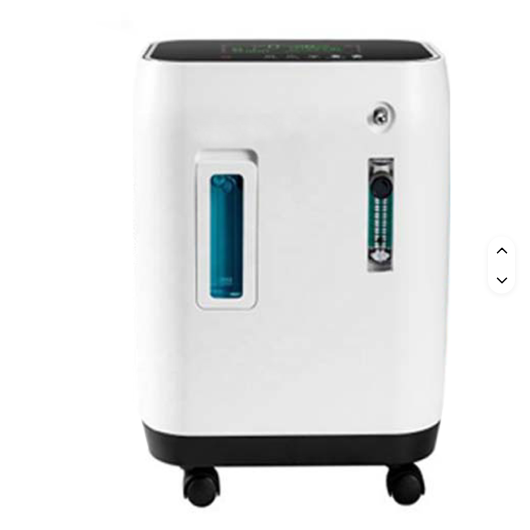
3A Low-flow oxygen concentrators (1-3 LPM) as feed for an ozone generator
Low-flow oxygen concentrators
- Designed specifically for low flow (≤1 LPM)
- Deliver appropriate ozone therapy flow rates directly
- Do not require an external step-down regulator
- Simpler and more user-friendly for ozone applications
3B High-flow oxygen concentrators (3–5 LPM or more) as feed for ozone generators
Yes — but only with proper flow control.
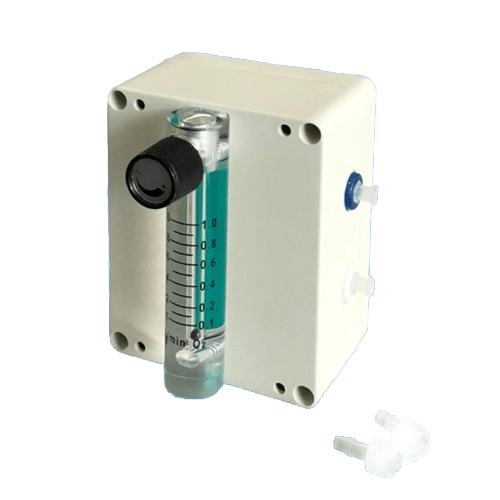
Higher-output concentrators (3–5 LPM or more) must use a special low-flow step-down regulator (external flowmeter) to reduce oxygen flow to the levels required by ozone generators.
Without this step-down flowmeter:
- The ozone generator will not function correctly
- Ozone output will be unstable or insufficient
This is a common point of confusion and a frequent cause of poor ozone performance.
High-flow oxygen concentrators
- Designed for higher oxygen delivery (3–5+ LPM)
- Require an external stepdown precision flowmeter
- More complex setup
- Can work well if configured correctly
4️⃣ Industrial Oxygen
What it is
Industrial oxygen is typically 99–99.5% pure, but it is produced for industrial processes such as welding and cutting.
It is not regulated for food or medical use.
Common misconception
In many regions, industrial and medical oxygen originate from the same liquid oxygen source.
The difference lies in:
- Regulatory classification
- Traceability
- Documentation
- Intended use
Risks
Industrial oxygen:
- Is not certified for human therapeutic use
- May carry higher liability in clinical or public settings
- Is not appropriate for internal ozone applications
Practical positioning
Industrial oxygen may be used:
- For external ozone applications only
- By experienced users
- When better options are unavailable
4️⃣ Industrial Oxygen
What it is
Industrial oxygen is typically 99–99.5% pure, but it is produced for industrial processes such as welding and cutting.
It is not regulated for food or medical use.
Common misconception
In many regions, industrial and medical oxygen originate from the same liquid oxygen source.
The difference lies in:
- Regulatory classification
- Traceability
- Documentation
- Intended use
Risks
Industrial oxygen:
- Is not certified for human therapeutic use
- May carry higher liability in clinical or public settings
- Is not appropriate for internal ozone applications
Practical positioning
Industrial oxygen may be used:
- For external ozone applications only
- By experienced users
- When better options are unavailable
Why are oxygen cylinders more regulated in Canada?
Oxygen cylinders — especially medical oxygen — are regulated because they are classified as medical gases when used for therapeutic purposes.
This includes:
- Licensing requirements
- Traceability and documentation
- Storage and handling standards
As enforcement increases in Canada, many wellness providers prefer:
- Oxygen concentrators for external applications
- Medical oxygen only where clinically necessary
This distinction helps facilities remain compliant while still offering non-invasive ozone wellness services.
General Regulatory FAQs
Is there a difference between wellness ozone use and medical ozone therapy?
Yes — and this distinction is critical.
- Wellness ozone use includes external applications such as ozone saunas, limb bagging etc
- Medical ozone therapy involves internal or invasive protocols
Regulatory expectations, oxygen source requirements, and liability differ significantly between these two categories across North America.
Why is medical oxygen required for intravenous ozone therapy?
Intravenous ozone therapy involves direct interaction with the bloodstream, which is highly regulated by authoritarian associations ie Health Canada
For this reason, medical-grade oxygen is the only acceptable source for IV ozone therapy in Canada and the United States.
Can regulations differ between countries, states, or provinces?
Yes.
Ozone therapy and oxygen use regulations can vary by:
- Country
- Province or state
- Local health authority
- Type of facility (clinic vs wellness centre vs home use)
This is why responsible providers:
- Follow the most conservative applicable standard
- Match oxygen sources to application type
- Avoid “one-size-fits-all” approaches
Why do some practitioners still use different oxygen sources?
In practice, oxygen source selection often balances:
- Application type
- Regulatory environment
- Equipment availability
- Maintenance and logistics
When done responsibly:
- Medical oxygen is used where required
- Concentrators or food-grade oxygen are used for appropriate applications
Problems arise when boundaries are ignored — not when alternatives are used correctly.
Do supplies stores for Breweries sell oxygen cylinders / tanks and refill them with food grade oxygen?
Some brewer supply stores may not be certified to retail gases therefor you might purchase an empty cylinder but not fill with oxygen or refill it at their stores.
Should I purchase my own cylinder or lease /rent it from the company?
When you want a large cylinder for your centre you will most likely just lease them which will secure the drop off and exchange to your place by the gases company. If you are looking for a smaller cylinder used at home but also some centres it really plays no significant role but you might have to wait when bringing you own cylinder for refill. If on other hand you are renting or leasing it you will usually just bring the empty in and collect a full one.
Leasing is often just as inexpensive as buying and all the cylinders do have a life span of few years only and so you will be purchasing a new unit again, mostly 5 years later.
Some gas companies might not want to accept cylinder/tanks that are not theirs for refill.
Do I purchase a regulator when purchasing a cylinder /tank from the gas company or Brewery supplier?
No, our regulators have smaller increments when used with cylinders/ tank however they fit the ones available in North America, which have two types of head 540G or 870G.Further information in in our store and we will send you the one you will require with the ozone generator kit.
Preferred vs Acceptable vs “Better Than Nothing”
Preferred (required in many cases):
- Medical-grade oxygen
→ Internal, invasive, clinical ozone applications
Acceptable:
- Food-grade oxygen
- High-quality oxygen concentrators
→ Ozone saunas, limb bagging, ozonated oils, external wellness use
Better than nothing (with caution):
- Industrial oxygen
→ External use only, non-clinical settings
Final perspective
Ozone is not inherently dangerous — misuse is.
Most problems arise when:
- The wrong oxygen source is used
- Boundaries between wellness and medical therapy are blurred
- Ambient air generators are misapplied
- Regulatory realities are ignored
At Recover U, we emphasize:
- Clear application boundaries
- Appropriate oxygen selection
- Conservative clinical judgment
- Education over improvisation
Because in ozone therapy, how ozone is generated matters as much as how it is used.
RELEASE / DISCLAIMER
Important Notice
The information provided in this article is for educational purposes only and is intended to support informed decision-making regarding ozone generation equipment and oxygen sources.
It is not intended as medical advice, nor does it replace professional clinical judgment, regulatory guidance, or manufacturer instructions.
Ozone therapy regulations, oxygen sourcing requirements, and permitted applications may vary by country, province, state, and facility type.
Always comply with applicable laws, professional standards, and local regulations when offering ozone-based services.
Intravenous ozone therapy and internal ozone applications should only be performed by appropriately trained professionals.
It should never be used for intravenous ozone therapy.
Recover U Technologies and Services Inc.
Maya Fabiszak, Director, Certified Oxidative Therapies Specialist, Certified Nutritionist & Environmental Lifestyle Counselor, phone 647.909.7419
Ewa Pringle, Cofounder, phone 289.217.5552
Websites:
Recover U Technologies and Services Inc.
Swiss Bionic Solutions
Facebook
Instagram
Twitter
YouTube
Pinterest
Google page
TickTock