
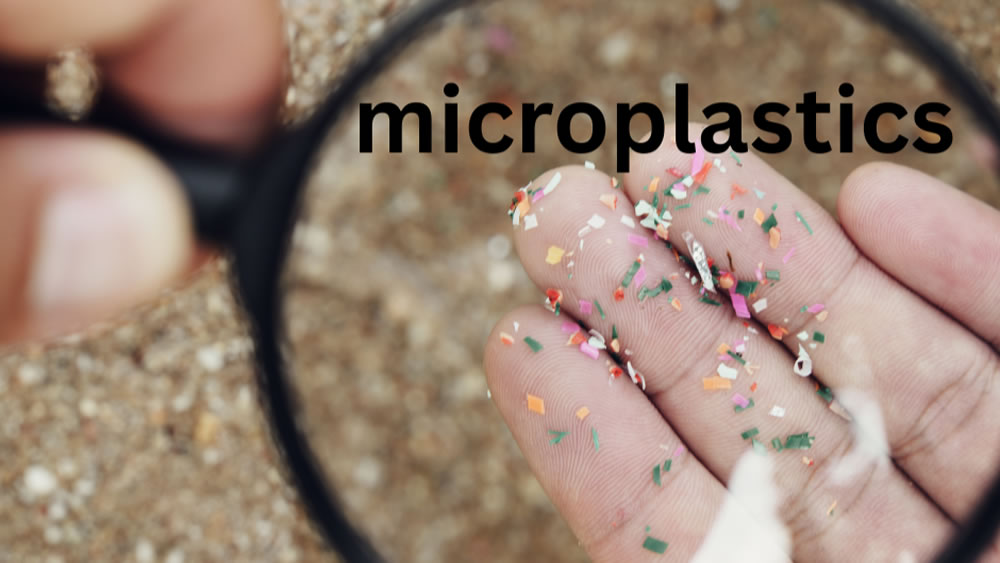
We’ve long been warned about heavy metals, pesticides, and air pollution.
But there is a new class of contaminants invading every corner of our planet — and our bodies — that could rival them all: microplastics.
What Exactly Are Microplastics?
Microplastics are tiny fragments of plastic — smaller than 5 millimetres — formed when larger plastic items degrade or manufactured intentionally as microbeads for products. They’re now so widespread they’ve been detected in the air we breathe, the food we eat, the water we drink, and even the dust in our homes.
Recent studies have confirmed their presence in:
- Human blood and lung tissue
- Placenta and breast milk
- Deep organ tissues, including the liver and kidneys
This means the conversation is no longer just about the environment — it’s about our physiology.
Why Microplastics Are More Than Just “Inert” Litter
Plastic polymers may seem harmless, but microplastics act like toxic delivery vehicles:
- They attract and bind heavy metals like lead, mercury, and cadmium.
- They absorb endocrine-disrupting chemicals such as BPA, phthalates, and PFAS (“forever chemicals”).
- They can harbor pathogens, making them miniature Trojan horses.
Once inhaled or ingested, these particles bypass normal defences. Smaller nanoplastics (less than 1 micron) are even more concerning because they can cross cell membranes, the blood–brain barrier, and the placental barrier — embedding deep in tissues where they’re difficult, if not impossible, to remove without targeted detox strategies.
The Biological Toll
The science is clear: exposure is linked to:
- Chronic inflammation and oxidative stress
- Hormonal disruption (fertility, thyroid, metabolic changes)
- Immune dysregulation
- Cardiovascular disease and atherosclerosis
- Increased cancer risk through DNA damage
- Altered gut microbiome and intestinal permeability
nd unlike certain natural toxins, there is no natural pathway for the human body to fully break down or metabolize plastic. Without intervention, accumulation is essentially inevitable.
Why This Matters Now
A recent analysis published in The Lancet Planetary Health estimates that plastic-related pollutants contribute to millions of premature deaths annually and cause trillions in economic damage worldwide. Yet public health systems have no concrete strategies for bodily removal of these contaminants.
We’re facing a slow-moving health crisis that’s largely invisible — until symptoms appear.
Taking Action – What’s Possible
While we can’t eliminate all microplastic exposure, we can reduce intake and support the body’s ability to cope:
- Filter drinking water with multi-stage systems that remove microplastics.
- Reduce single-use plastic contact with food and beverages, especially with heat.
- Use HEPA filtration indoors to lower airborne particles.
- Support detox organs — liver, kidneys, lymphatic system, and skin — through sauna use, sweating, and targeted oxygen therapies.
- Consider binders (chlorella, zeolite, citrus pectin) to help escort toxins and adsorbed chemicals out.
- Maintain antioxidant status with vitamin C, glutathione, and polyphenol-rich foods to counter oxidative damage.